













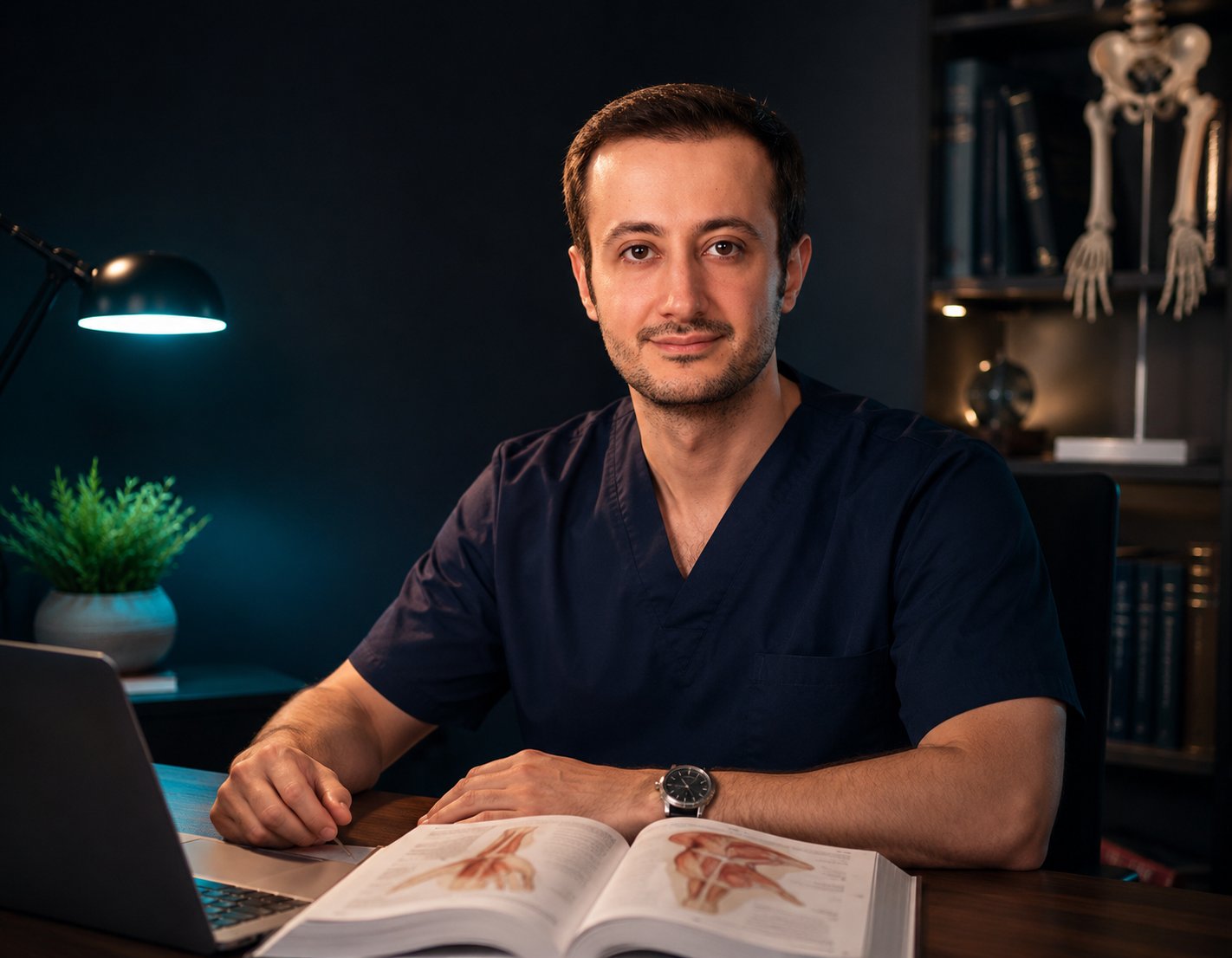







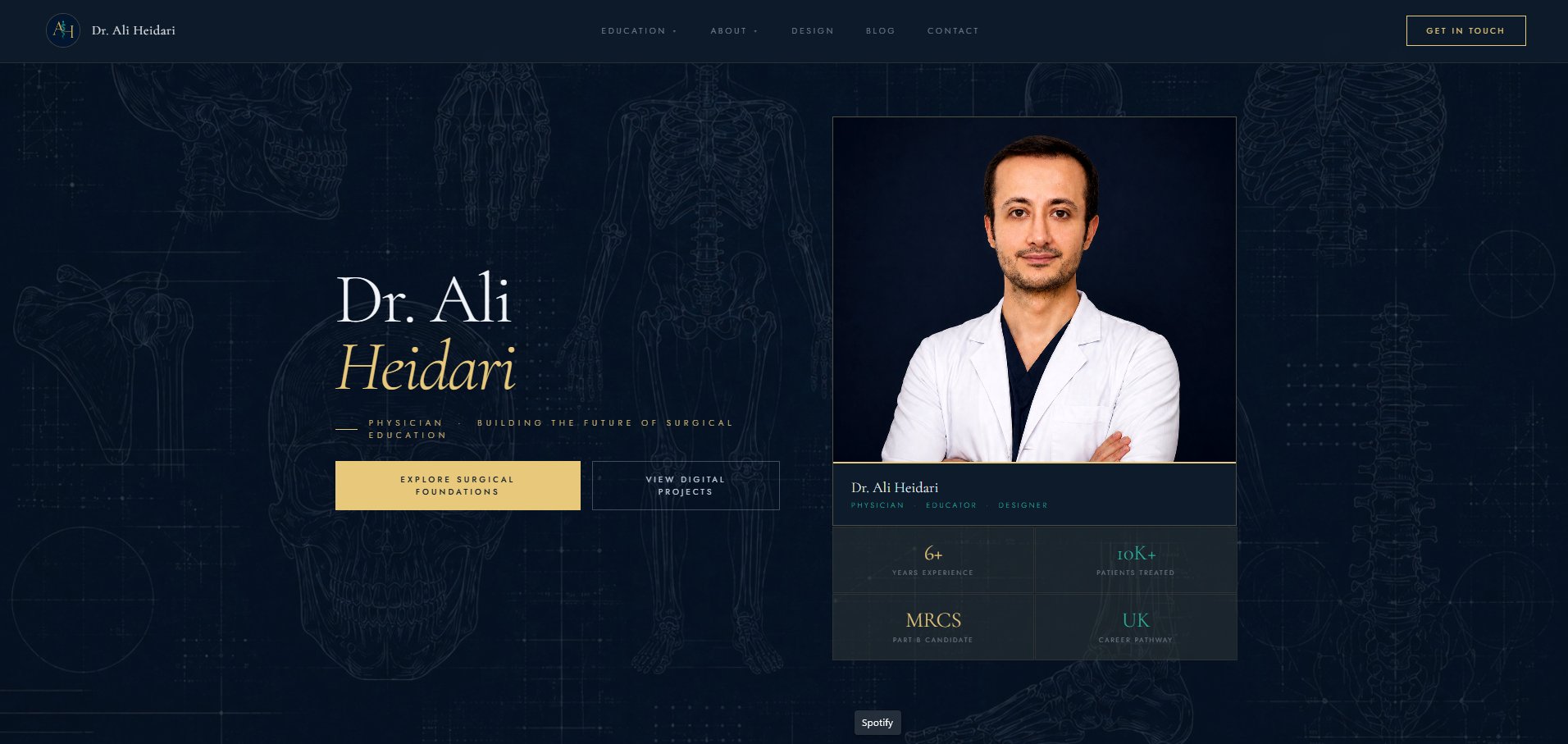
Physician · Building the Future of Surgical Education
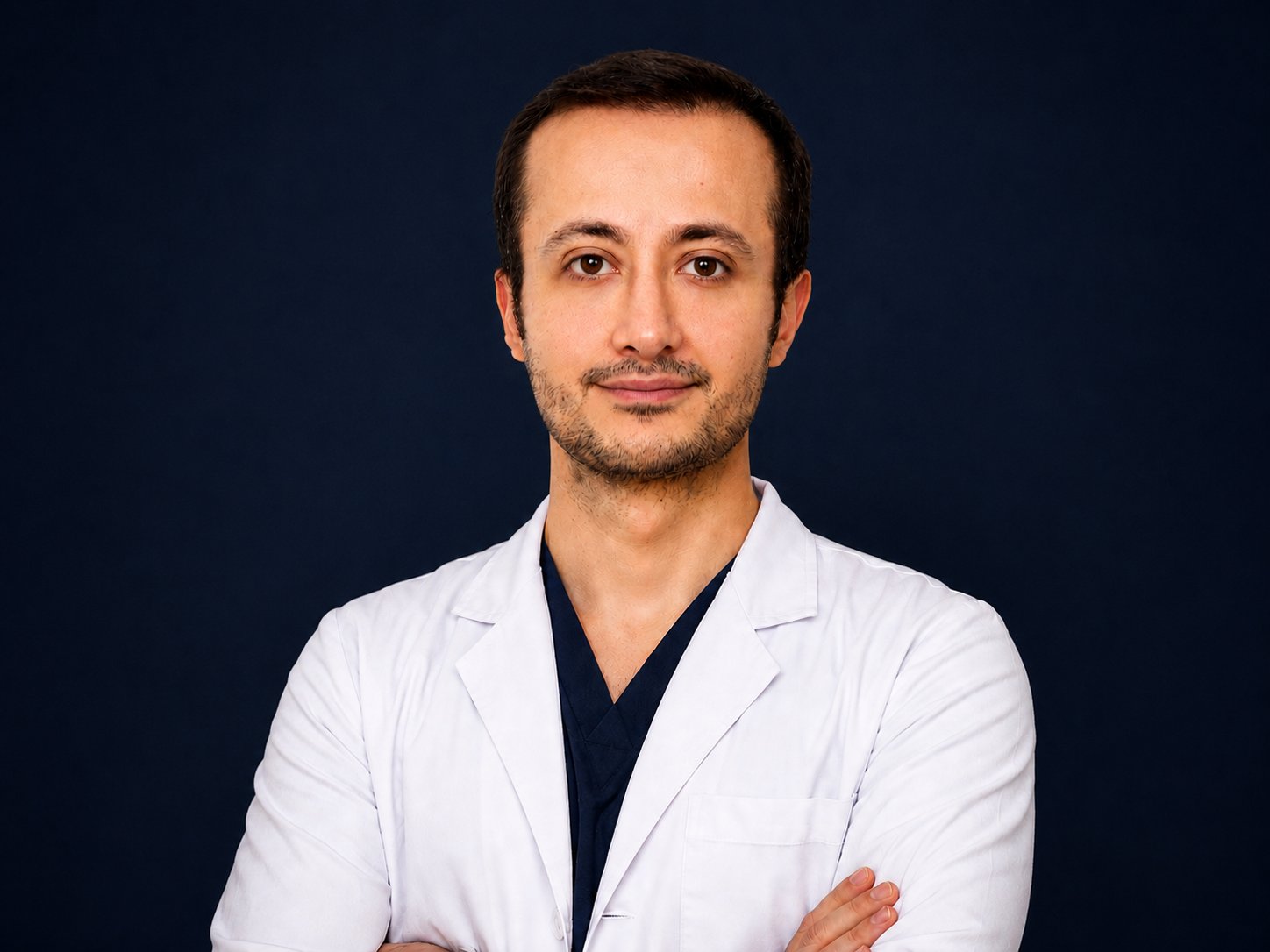
Dr. Ali Heidari
Physician · Educator · Designer
6+
Years Experience
10K+
Patients Treated
MRCS
Part B Candidate
UK
Career Pathway
Flagship Project
Surgical Foundations Project
In Development
A modern visual surgery reference designed for MRCS Part B preparation.
Surgical Foundations is a comprehensive multi-specialty visual learning resource designed to bridge the gap between textbook knowledge and exam-ready surgical understanding. Each chapter combines anatomy-focused illustrations, simplified clinical explanations, and structured revision notes — built around the visual learning philosophy that complex surgery is best understood through clear, elegant diagrams rather than dense text alone.
The project covers all major surgical specialties examined in the MRCS Part B, with each section structured to deliver high-yield content efficiently. The educational mission is simple: make surgical knowledge visually accessible, memorable, and clinically relevant for every candidate preparing for their surgical career.
Complex surgical concepts become significantly easier to understand when anatomy, pathology, and procedures are structured visually rather than presented as isolated blocks of text. This atlas focuses on clarity, structure, and visual retention.
Trauma & Vascular
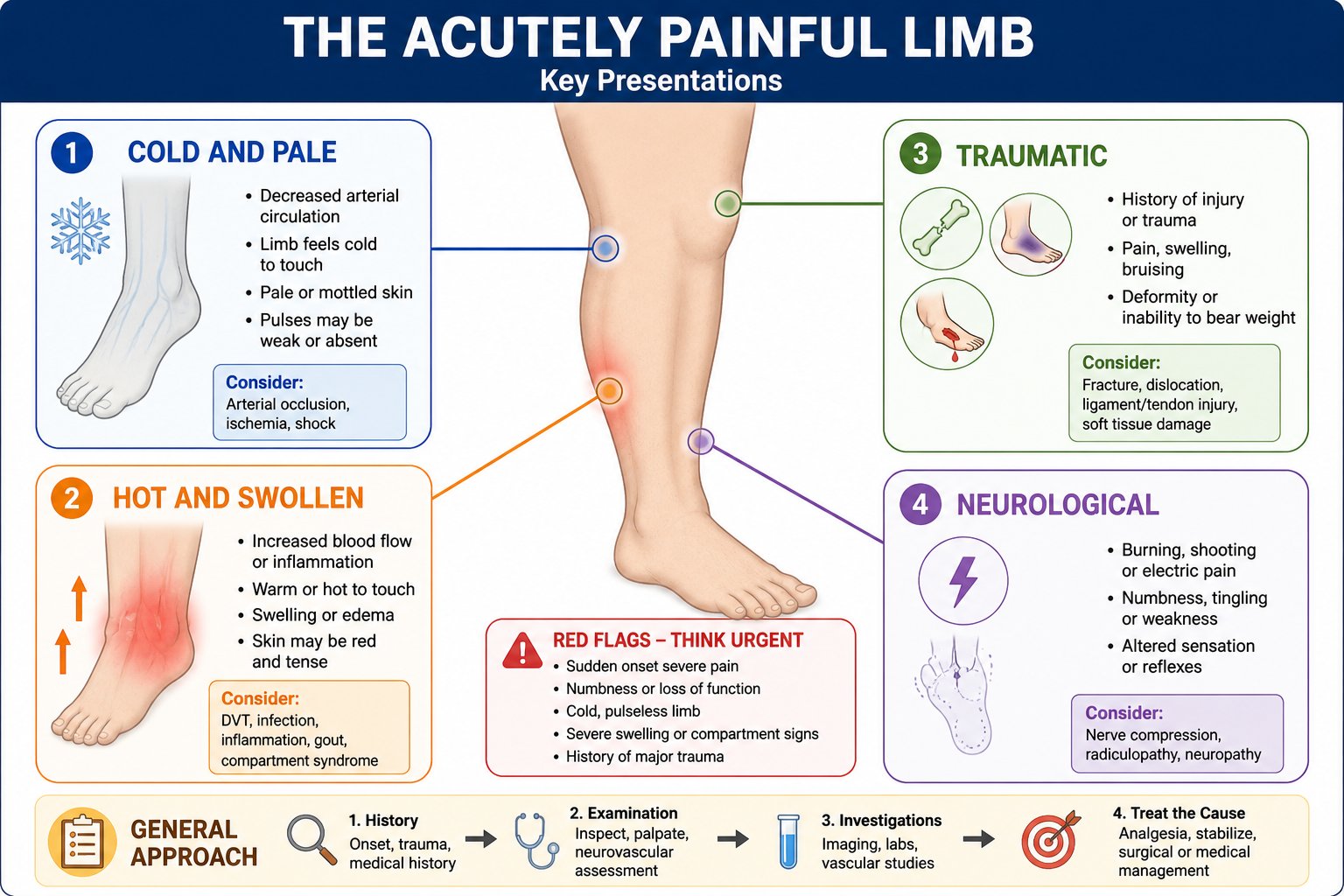
Acutely Painful Limb
Vascular Surgery
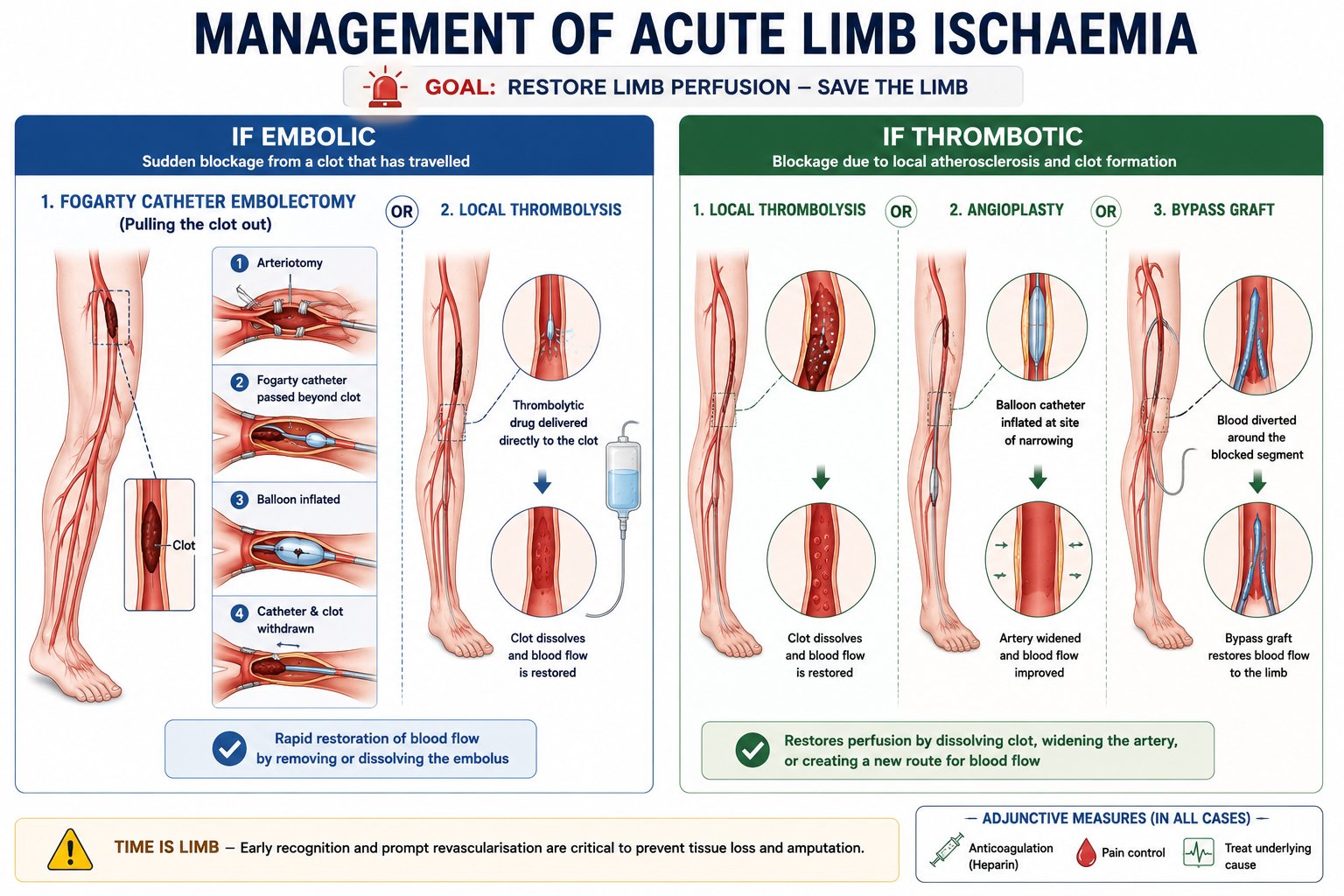
Acute Limb Ischaemia
Pathology
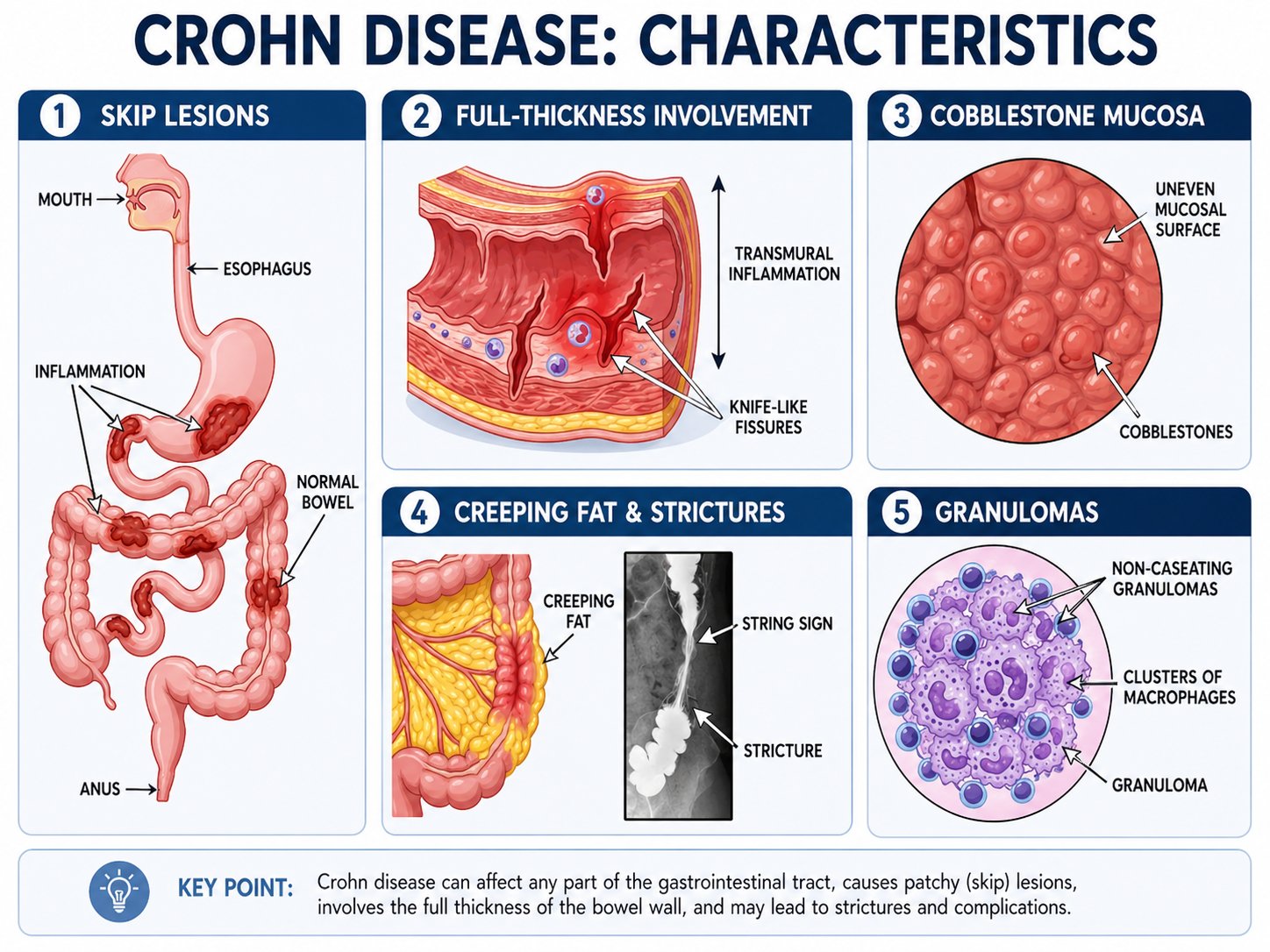
Crohn Disease
Classification
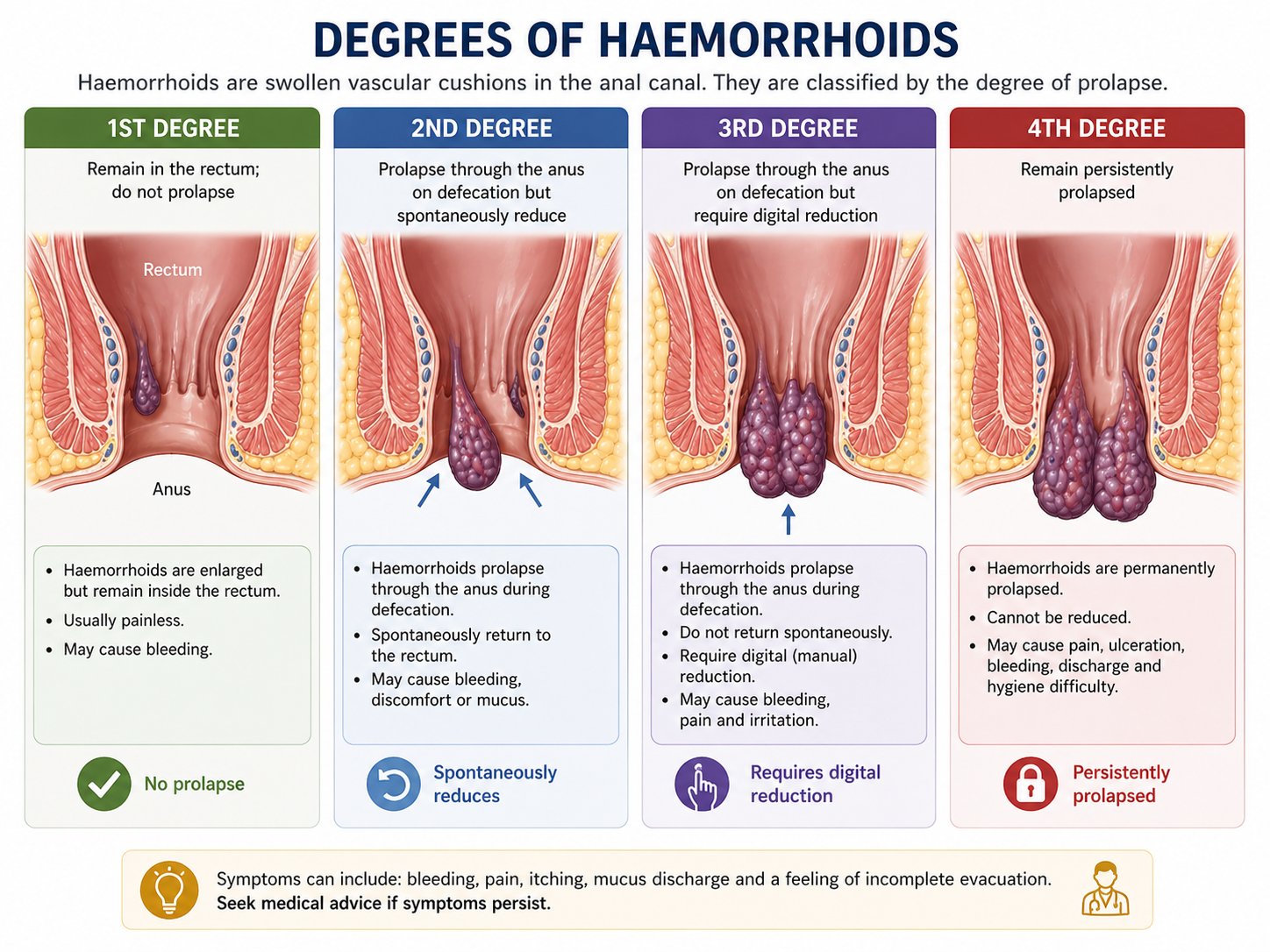
Degrees of Haemorrhoids
Surgical Oncology
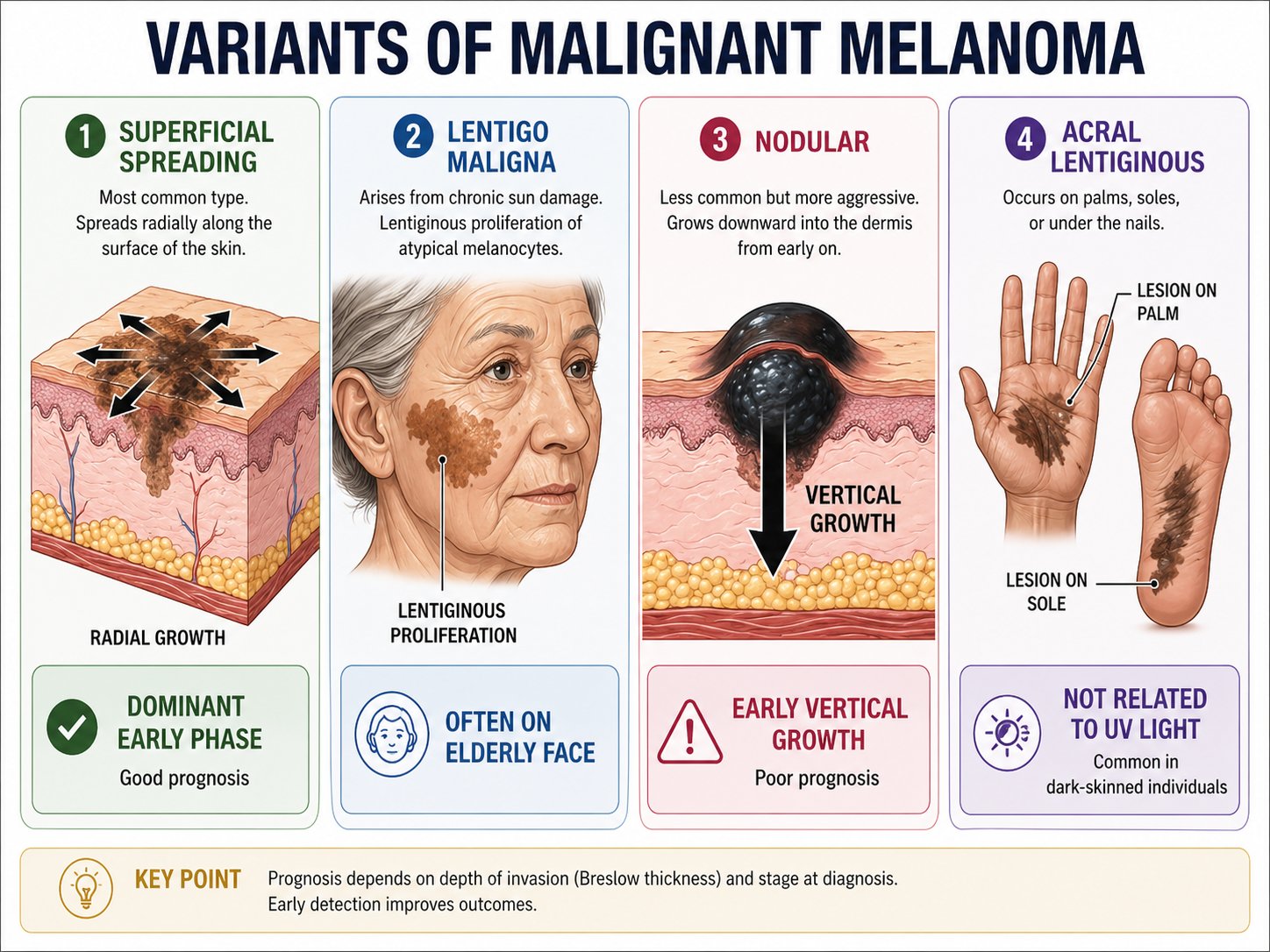
Malignant Melanoma Variants
Vascular
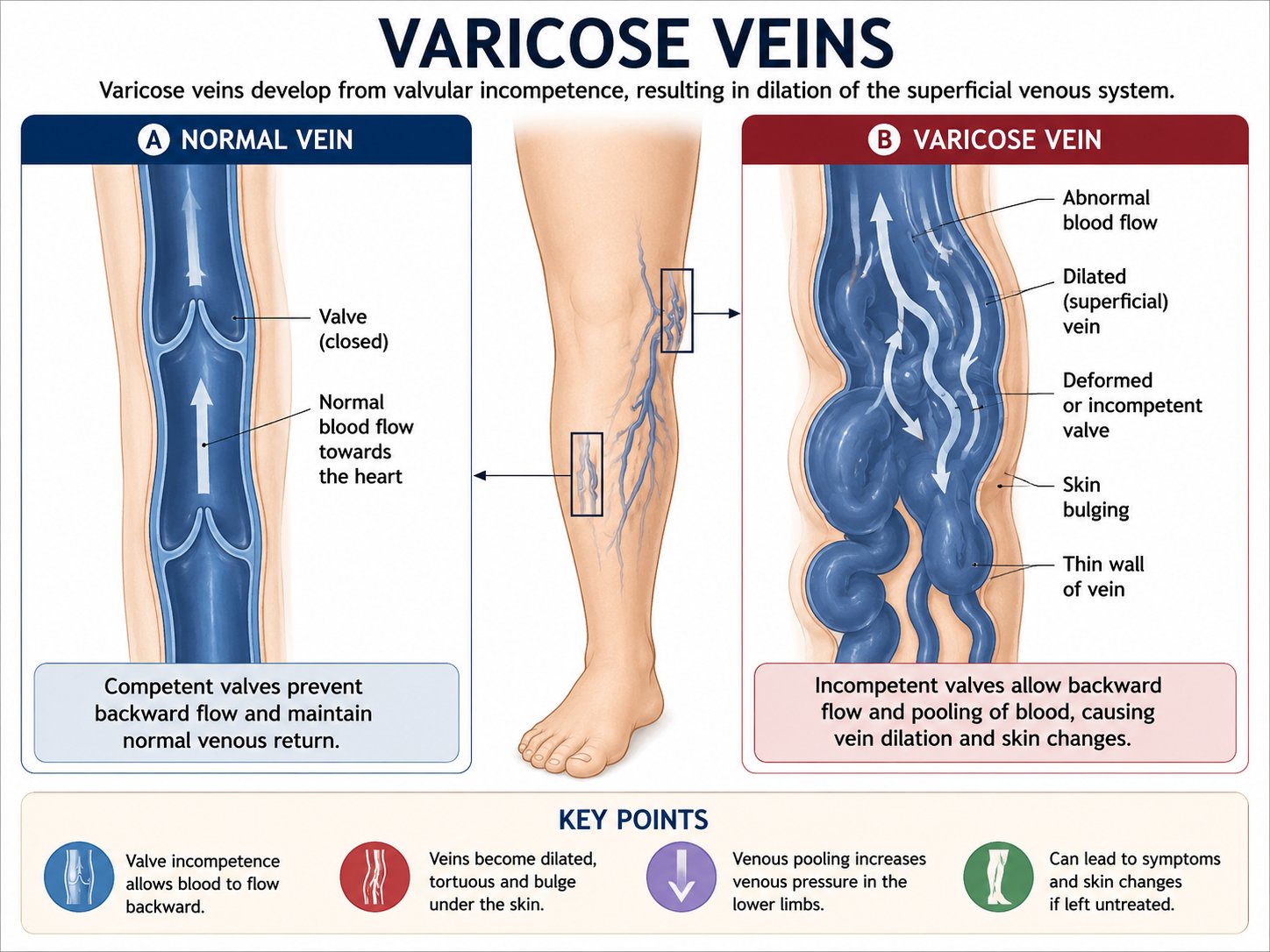
Varicose Veins
Trauma & Vascular
Acutely Painful Limb
1 of 10
Vascular Surgery
Acute Limb Ischaemia
2 of 10
Pathology
Crohn Disease
3 of 10
Classification
Degrees of Haemorrhoids
4 of 10
Surgical Oncology
Malignant Melanoma Variants
5 of 10
Vascular
Varicose Veins
6 of 10
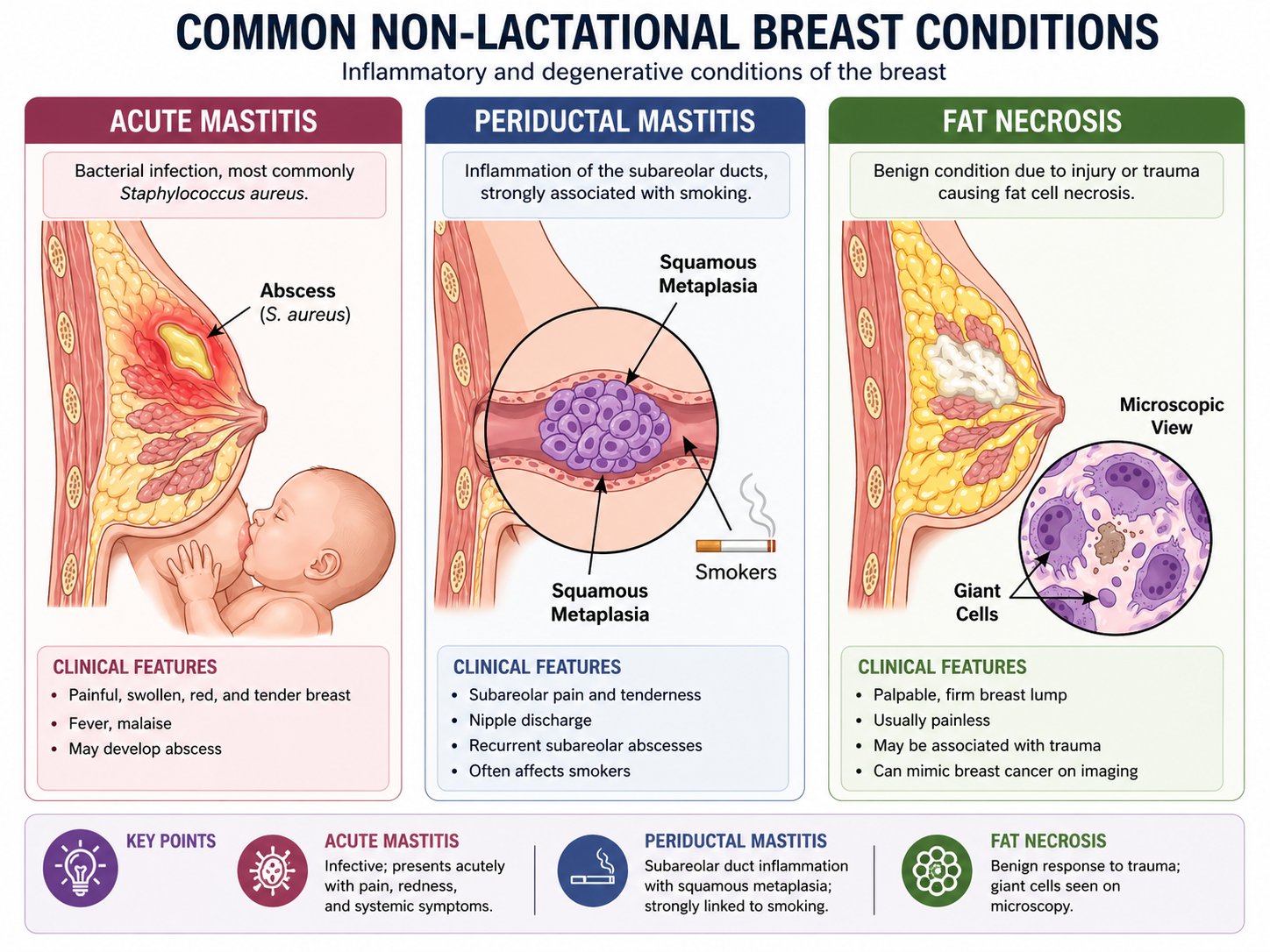
Breast Surgery
Breast Conditions
7 of 10
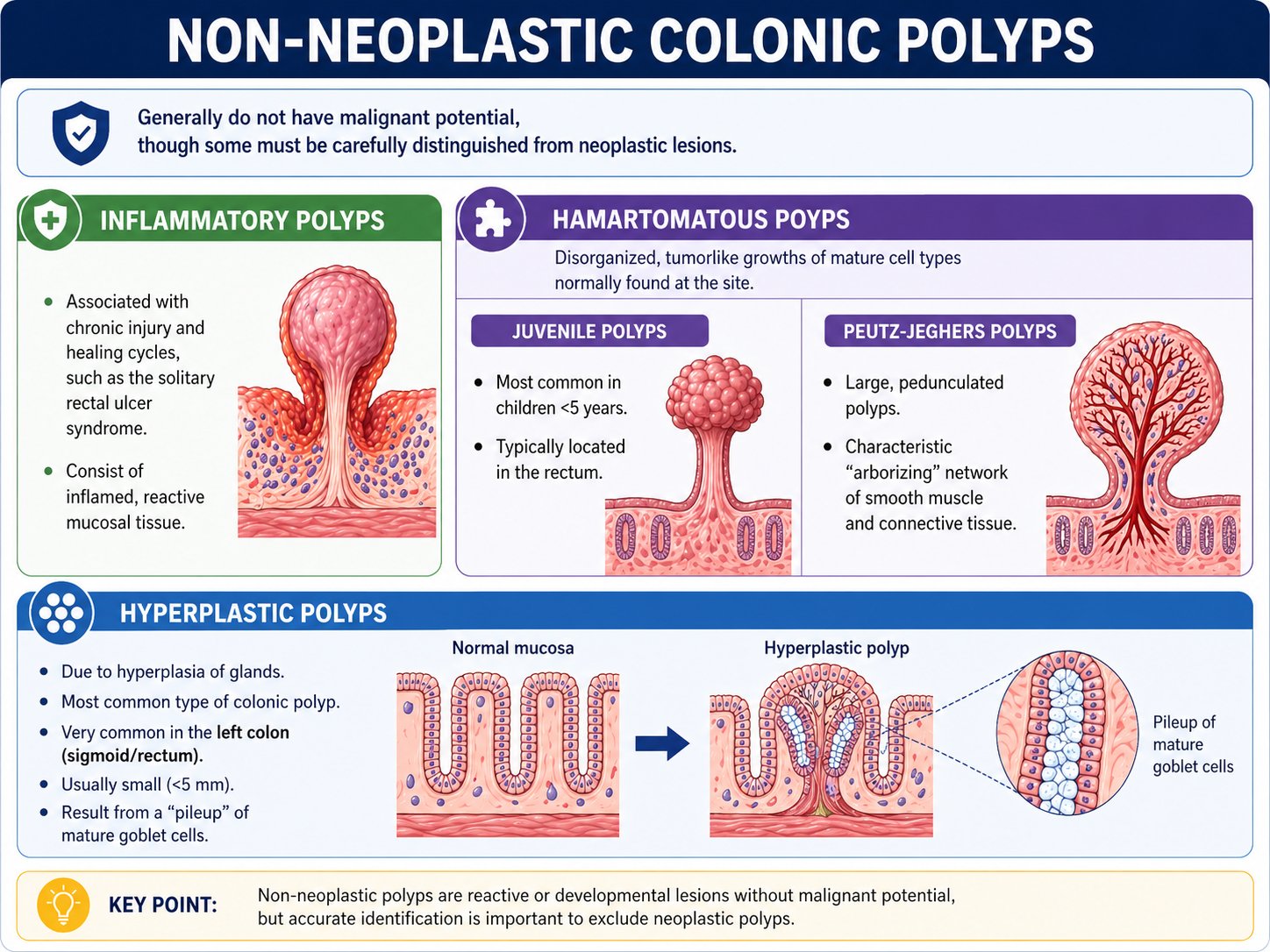
Colorectal
Non-Neoplastic Colonic Polyps
8 of 10
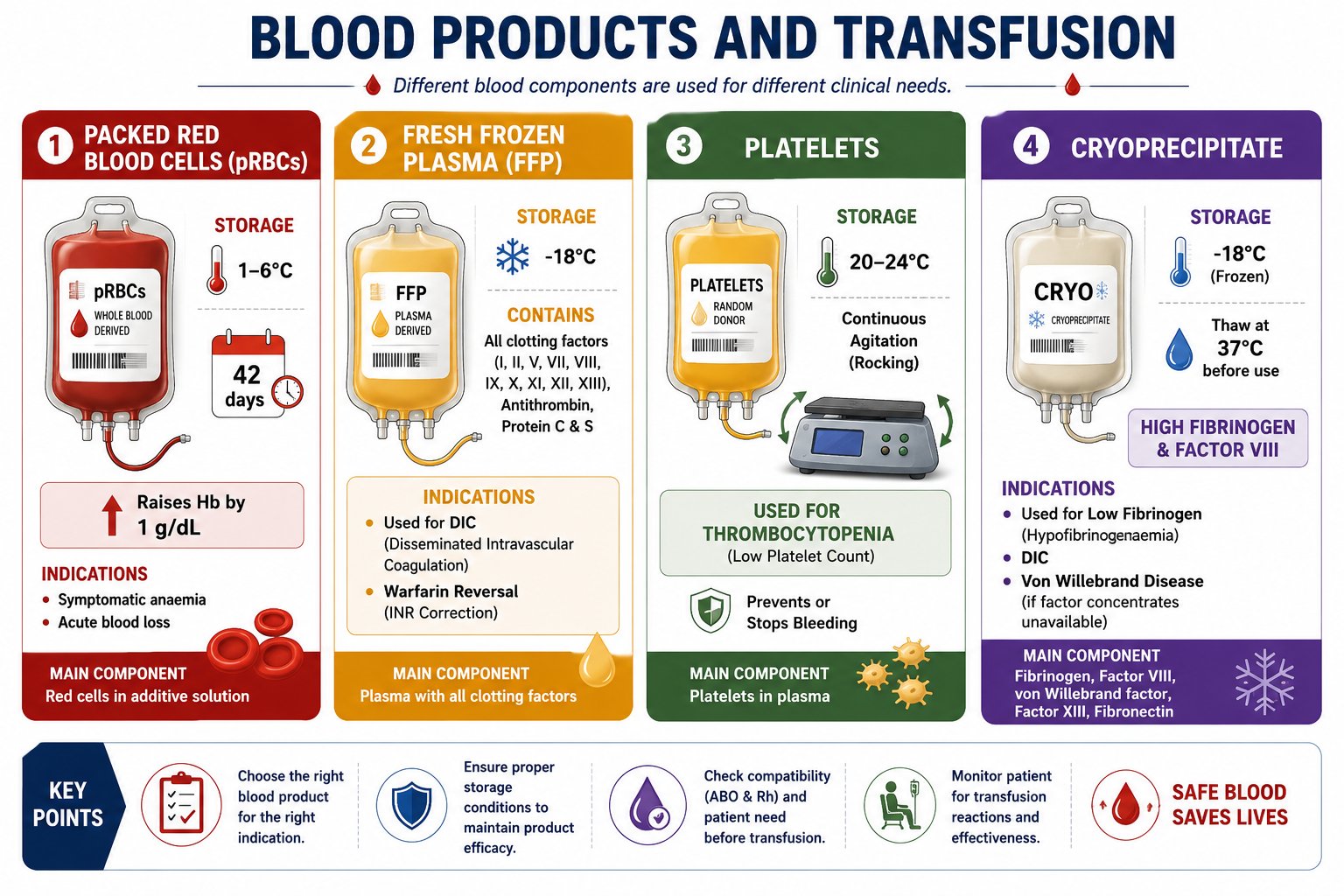
Critical Care
Blood Products & Transfusion
9 of 10
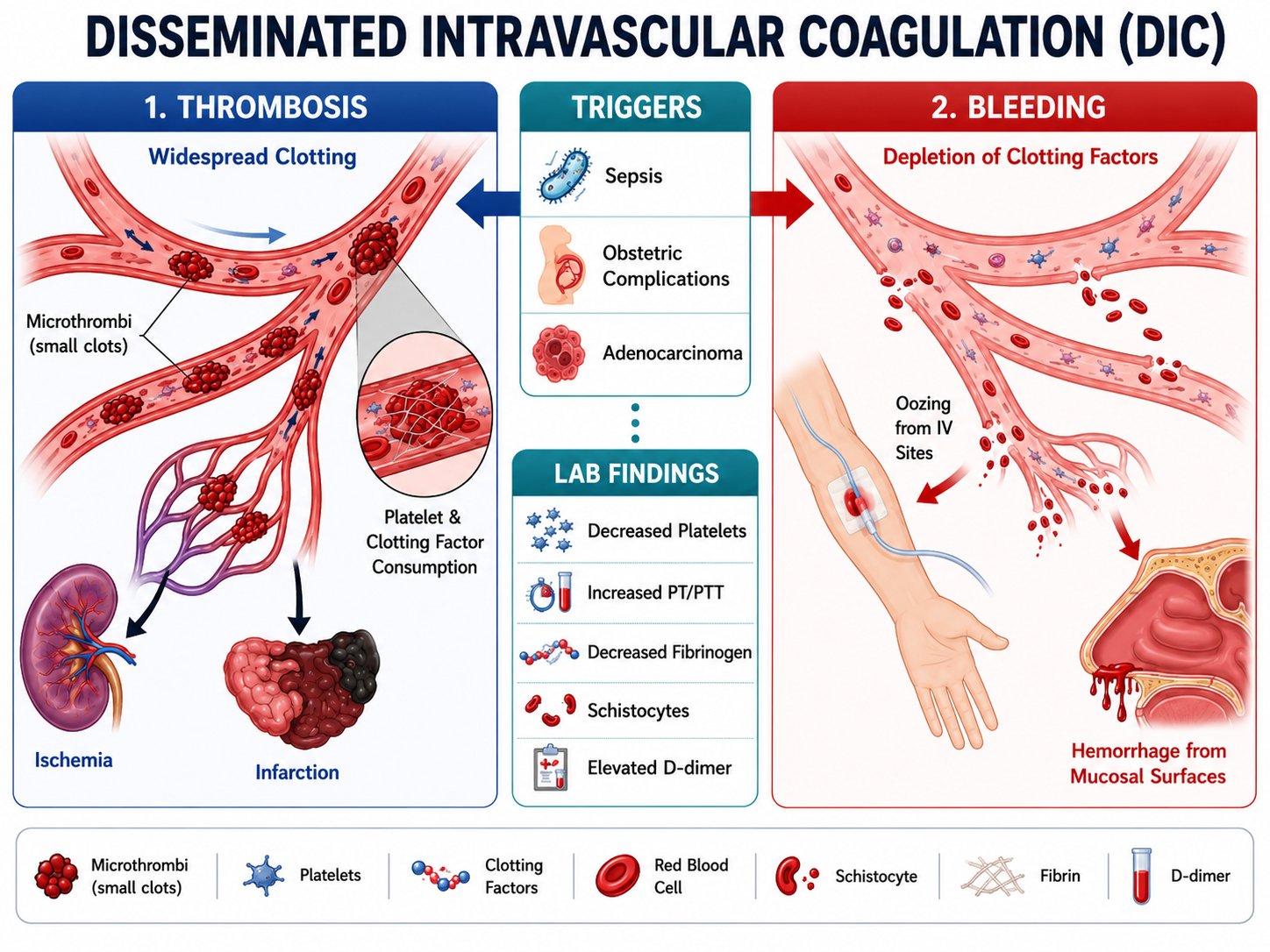
Haematology
DIC
10 of 10
Surgical Educator
Medical Education
Positioning surgical knowledge as an accessible, visual, and structured learning experience — designed for candidates who want to understand, not just memorise.
Content Library
MRCS Prep
Part A & B
Anatomy
Applied & clinical
Surgical Pathology
Visual approach
Operative Surgery
Step by step
Trauma
Emergency approach
Critical Care
ICU & perioperative
Learning Philosophy
Complex surgical concepts should be visual, structured, memorable, and clinically relevant.
Visual
Diagrams over dense text
Structured
Logical hierarchy
Memorable
High-yield, no filler
Clinically Relevant
Real surgical practice
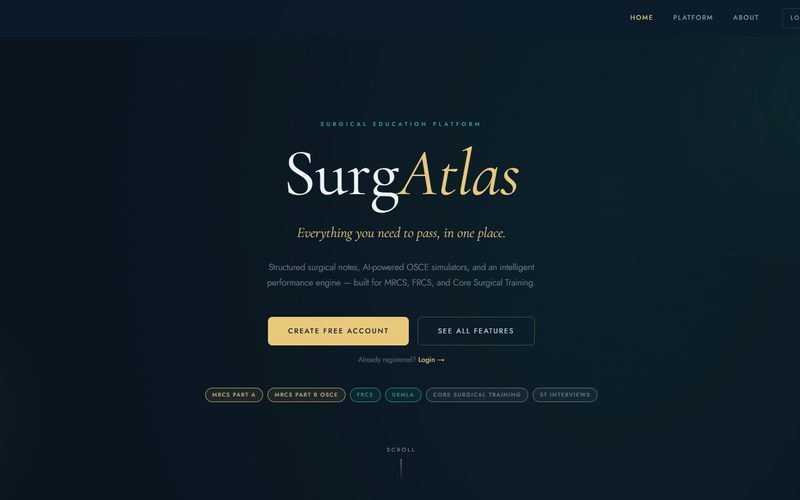
SurgAtlas Platform
20+ surgical chapters
300+ high-yield topics
Visual surgical illustrations
MCQ self-testing with explanations
MRCS Part A & B aligned
AI Practice Suite
10 Tools
History taking simulator (20 cases)
Communication skills (30 cases)
Mock OSCE day (66 cases)
Voice-tone scoring & AI feedback
Performance pattern analysis
“The goal is not to produce candidates who pass exams — but surgeons who understand.”
Background
About Me
Ali Heidari is a medical doctor, educator, and entrepreneur with a deep passion for surgery, medical education, and innovation. Graduating from Marmara University Faculty of Medicine, he built his clinical experience through years of work in emergency medicine and patient care, while simultaneously pursuing advanced surgical training and international qualifications.
Driven by a strong interest in surgical sciences, Ali has dedicated himself to preparing for the MRCS examinations and developing high-yield educational resources for medical students and junior doctors. He is currently working on a comprehensive surgical textbook and online educational platform focused on the fundamentals of surgery across multiple specialties, including general surgery, orthopaedics, neurosurgery, ENT, vascular surgery, and trauma care. His goal is to make high-quality surgical education more accessible, practical, and visually engaging for students around the world.
Alongside medicine, Ali has a strong interest in technology, design, and digital development. He actively works on medical website design, educational illustrations, and AI-assisted learning systems, combining medicine with modern digital tools to improve both teaching and patient communication. He is also the creator of “Forex For Living,” a trading analysis platform integrating technical and fundamental market analysis methodologies into an AI-powered workflow.
Known for his analytical mindset and relentless work ethic, Ali combines clinical medicine, education, entrepreneurship, and technology into a multidisciplinary career path. His long-term vision is to contribute internationally through surgical education, innovative digital medical platforms, and global clinical practice.
Languages
🇬🇧
English
Professional
🇮🇷
Persian (Farsi)
Native
🇹🇷
Turkish
Native
🇦🇿
Azerbaijani
Native
6+Years Clinical Experience
10,000+Patients Treated
MRCSPart B Candidate
UKCareer Pathway
Core Disciplines
Five Pillars of Expertise
A rare combination of clinical medicine, surgical science, education, digital design, and technology.
Medicine
Emergency medicine and surgical sciences. Marmara University graduate pursuing an international career pathway.
Emergency
Extensive clinical experience in acute and emergency settings, with a strong surgical orientation and patient focus.
Education
MRCS Part B preparation, surgical education, clinical anatomy, and structured medical learning resources.
Design
Premium medical websites, healthcare branding, and luxury educational platforms built with clinical insight.
Technology
AI-assisted medical tools, digital healthcare applications, and modern web systems for the healthcare sector.
Credentials
Education & Experience
A clinical and academic journey built on rigorous medical training, frontline emergency experience, and international surgical examination success.
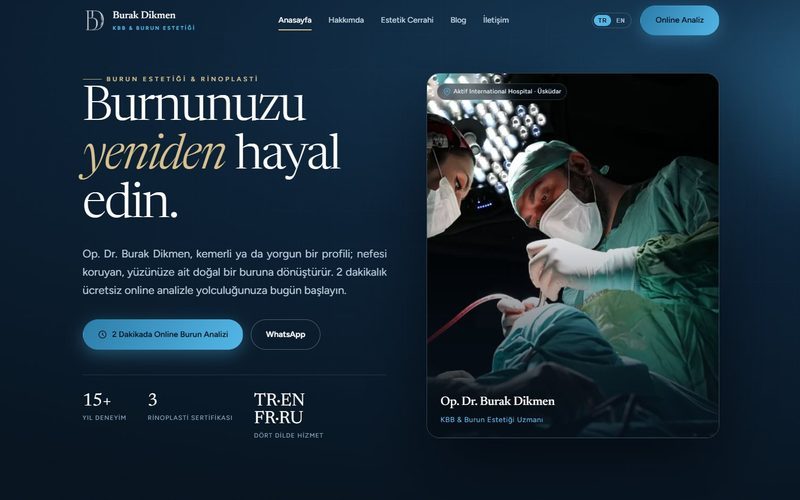
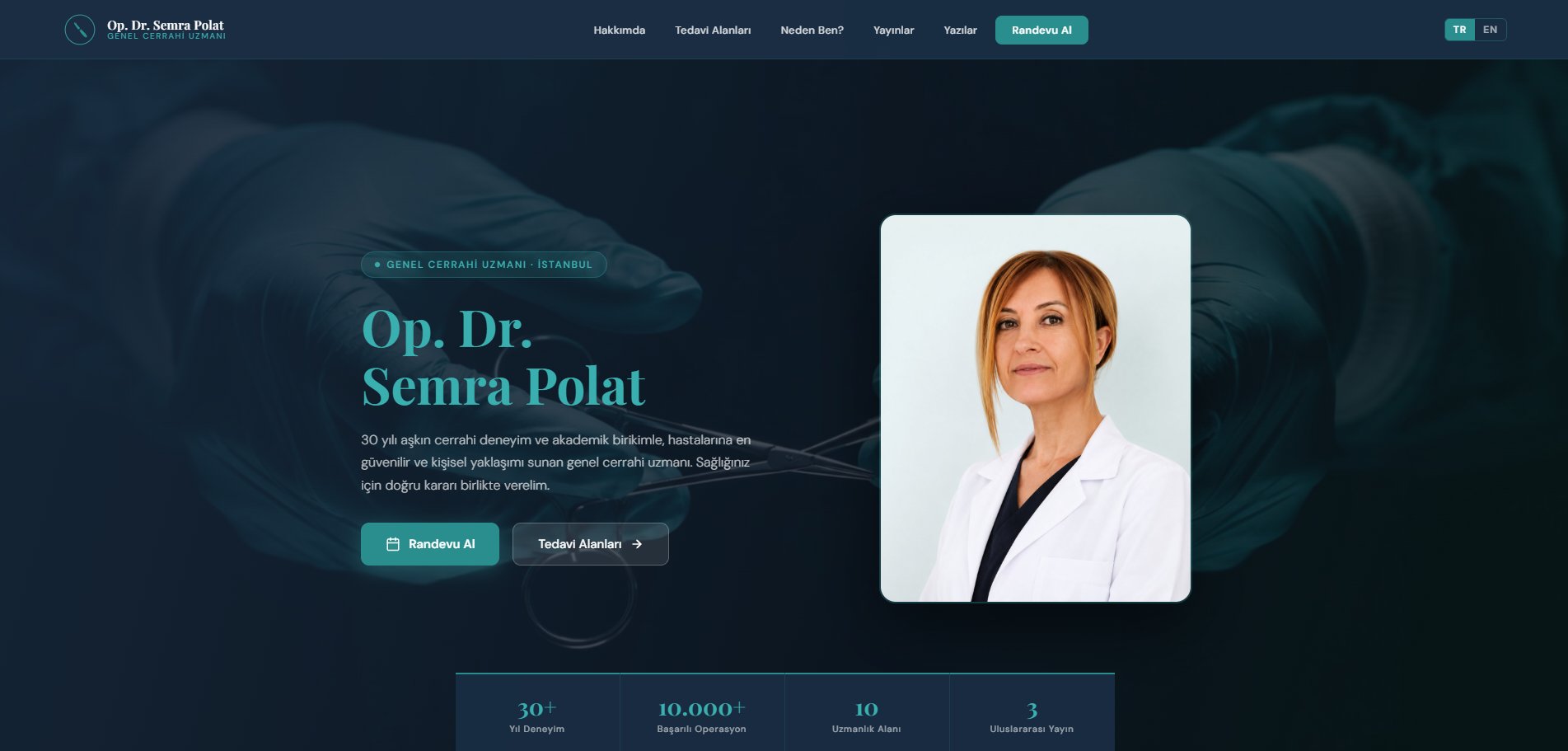
Premium medical websites built by a physician — combining clinical understanding with modern design to create healthcare digital experiences that communicate trust, authority, and professionalism.
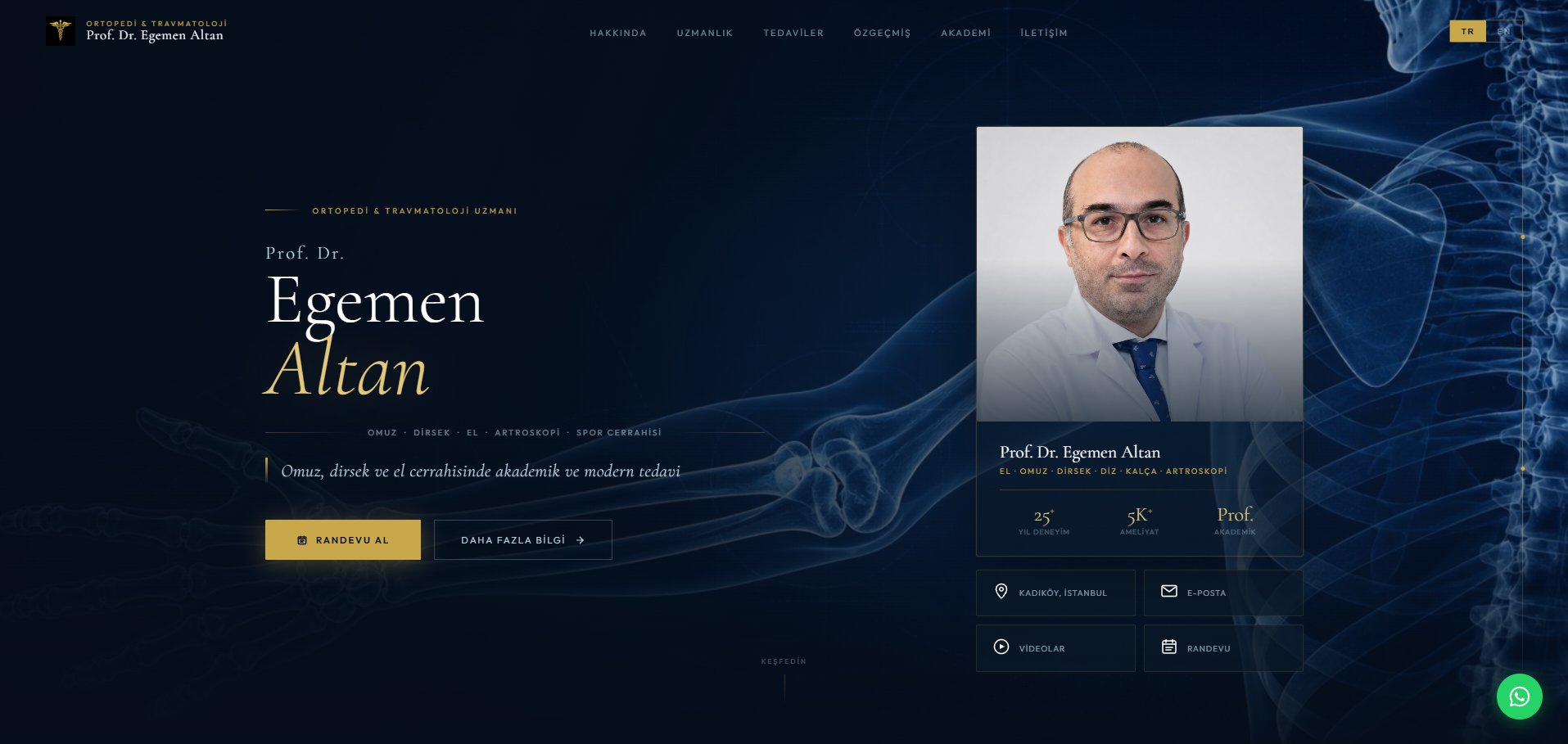
Orthopaedic & Traumatology
Prof. Dr. Egemen Altan
Premium orthopaedic surgeon personal brand — bilingual website with advanced animations and clinical content architecture.
Physician personal brand website — luxury navy/gold design system with surgical education platform integration.
Personal Brand
Dr. Ali Heidari
Coming Soon
Medical Website
Next Project
Coming Soon
Medical Website
Next Project
Coming Soon
Medical Website
Next Project
Available for Projects
Work With Me
Looking for a premium medical website? I design for healthcare professionals who want to stand out.
Get in Touch →
Custom Design
No templates
Bilingual
TR / EN ready
Clinical Insight
Built by a physician
Mobile Ready
All devices
Fast Delivery
2–4 weeks
“Medicine, education, and design—unified.”
Dr. Ali Heidari · Physician · Educator · Designer
Articles & Insights
Latest Writing
Thoughts on surgical education, medical web design, MRCS preparation, and building a modern medical career.
MRCS Preparation7 min read
How I Structure My MRCS Part B Surgical Pathology Revision
Surgical pathology is one of the most content-heavy sections of the MRCS Part B. With 22 major topics spanning cellular pathology, inflammation, neoplasia, immunology, microbiology, and haematology, it can feel overwhelming. Here is the system I developed to make it manageable, visual, and genuinely memorable.
May 2026
MRCS Preparation6 min read
The 10 Most High-Yield Topics in MRCS Part B Surgical Pathology
Not all pathology topics carry equal weight in the MRCS Part B. Based on past paper analysis and the RCS examination blueprints, certain topics appear consistently across sittings. Here are the ten you cannot afford to underprep.
May 2026
Healthcare Design5 min read
Why Every Surgeon Needs a Premium Personal Website in 2025
Your patients Google you before they meet you. Your colleagues look you up before they refer. In 2025, your online presence is your first impression — and for most surgeons, that impression is either absent or embarrassingly poor.
May 2026
Surgical Education6 min read
Visual Learning in Surgery — Why Diagrams Beat Textbooks
The standard surgical textbook presents knowledge as dense paragraphs of text, occasionally interrupted by a diagram. This format was designed for print and reference — not for the way surgeons actually learn, or the way the MRCS is examined.
May 2026
Healthcare Design5 min read
The Anatomy of a Premium Surgeon Website
Over the past two years I have designed websites for surgeons across multiple specialties. In that process I developed a clear framework for what makes a medical website genuinely premium — not just visually, but functionally. Here is that framework.
May 2026
Career & Medicine7 min read
From Emergency Medicine to Surgery: Navigating the MRCS as a Busy Doctor
I passed MRCS Part A while working full-time as an emergency medicine physician. I am now preparing for Part B. The conventional wisdom about MRCS preparation is largely wrong for doctors working full-time clinical jobs — and here is what actually works.
May 2026
MRCS Preparation7 min read
The MRCS Part B OSCE: What Examiners Actually Score You On
The MRCS Part B is an OSCE of 17 stations, each lasting 9 minutes. But knowing the structure is not the same as knowing what examiners are actually marking. Here is the honest breakdown of how you are scored, drawn from the Intercollegiate MRCS marking framework.
May 2026
MRCS Preparation6 min read
Common Mistakes Candidates Make in MRCS Communication Stations
Communication stations are where MRCS Part B is most consistently failed by otherwise strong candidates. The clinical knowledge is rarely the problem. Here are the seven most common mistakes drawn from candidate feedback and examiner reports.
May 2026
Surgical Sciences8 min read
Acute Abdomen: A Differential Diagnosis Framework for the MRCS
Acute abdominal pain is the most common presentation in emergency general surgery and one of the most heavily examined topics in MRCS Part B. The challenge is not knowing the differentials — it is having a systematic framework that can be applied under exam pressure.
May 2026
Surgical Sciences7 min read
Trauma Primary Survey: The ABCDE Beyond the Textbook
Every MRCS candidate can recite the ABCDE. Few can perform it under pressure in a way that scores well. The 2025 ATLS 11th Edition update has formalised an important change candidates need to know.
May 2026
Anatomy5 min read
Memorising the Cranial Nerves: A Visual Method That Actually Works
The cranial nerves appear in MRCS Part B almost every sitting. Pure memorisation rarely sticks under exam pressure. Here is a visual learning method that builds genuine understanding instead of brittle recall.
May 2026
Surgical Sciences7 min read
Surgical Site Infections — What MRCS Part B Examiners Want You to Know
Surgical site infection is one of the most heavily examined topics in MRCS Part B. The current NICE guideline NG125, last updated August 2020 and confirmed May 2023, defines what UK examiners expect candidates to know.
May 2026
MRCS Preparation
The MRCS Part B OSCE: What Examiners Actually Score You On
May 2026·7 min read·Dr. Ali Heidari
The MRCS Part B is an OSCE of 17 stations, each lasting 9 minutes. But knowing the structure is not the same as knowing what examiners are actually marking. Here is the honest breakdown of how you are scored, drawn from the Intercollegiate MRCS marking framework.
The two-tier marking system
Every station is marked twice. First, the examiner uses a structured mark sheet specific to that station, awarding a score out of 20. Second, the examiner gives a separate overall global rating of Pass, Borderline, or Fail. These two judgments are independent.
The exam splits into Applied Knowledge (8 stations, 160 marks) and Applied Skills (9 stations, 180 marks). To pass you must pass both content areas independently. The pass mark is set after the exam using borderline regression methodology.
The four domains examiners assess
The Intercollegiate Surgical Curriculum identifies four assessment domains: clinical knowledge and skill, professional conduct, communication, and overall judgement. Most candidates focus entirely on the first. The other three are where marks are lost.
Examiner Insight
The May 2025 sitting pass rate for MRCS Part B was 61%. The candidates who fail are rarely the ones who lack knowledge. They are the ones who knew the answer but did not demonstrate it within 9 minutes.
What gains you marks consistently
A clean introduction at every station — name, role, identity confirmation — is worth measurable marks. Asking for consent before any examination is non-negotiable. A structured approach signals competence. Saying "I would like to start with the airway and assess for patency" is stronger than launching into clinical findings.
The mindset that passes
Treat each station as independent. The OSCE rewards composure, structure, and clinical reasoning expressed out loud. The full preparation framework for all 17 stations is built into SurgAtlas, including a Mock OSCE day with 66 simulated cases.
Written by
Dr. Ali Heidari
Physician · Educator · Designer
MRCS Preparation
Common Mistakes Candidates Make in MRCS Communication Stations
May 2026·6 min read·Dr. Ali Heidari
Communication stations are where MRCS Part B is most consistently failed by otherwise strong candidates. The clinical knowledge is rarely the problem. Here are the seven most common mistakes drawn from candidate feedback and examiner reports.
1. Treating the actor like a clinical case
The communication stations use trained actors rated on how the interaction felt from the patient's perspective. Candidates who deliver information accurately but mechanically consistently score borderline. The actor is briefed to respond to empathy.
2. Using medical jargon
"You have a malignancy with possible metastases" loses marks. "There is a cancer, and we think it may have spread" is the same information in language the patient understands. Examiners specifically watch for jargon translation.
High-Yield Tip
Practice translating the 20 most common surgical terms into patient language out loud. Anastomosis, stoma, laparoscopy, biopsy, malignancy, metastasis — each needs a plain-English equivalent ready without thinking.
3. Not establishing what the patient knows
The first question after introduction should be: "Can you tell me what you already know about your condition?" Candidates who skip this start at the wrong level.
4. Failing to signpost
"I am going to talk about three things: what we found, what it means, and what happens next." This demonstrates structure and helps the patient process what follows.
5. Talking over the silence
When a patient receives bad news, pause, acknowledge it, and let them lead the next part of the conversation.
6. Not summarising
"So to recap, we have discussed the diagnosis, the surgery, and the main risks. Is there anything you would like me to go over again?" This is the highest-value sentence in any communication station.
7. Defending rather than apologising
In complaint scenarios, apologise sincerely first, then explore concerns. Defensive language scores poorly even when factually correct. The SurgAtlas communication suite covers 30 simulated scenarios — free at surgatlas.com.
Written by
Dr. Ali Heidari
Physician · Educator · Designer
Surgical Sciences
Acute Abdomen: A Differential Diagnosis Framework for the MRCS
May 2026·8 min read·Dr. Ali Heidari
Acute abdominal pain is the most common presentation in emergency general surgery and one of the most heavily examined topics in MRCS Part B. The challenge is not knowing the differentials — it is having a systematic framework that can be applied under exam pressure.
Anatomy-based regional thinking
Divide the abdomen into nine regions. Right upper quadrant points to biliary, hepatic, or right renal pathology. Epigastric to gastric, pancreatic, or proximal small bowel. Right iliac fossa is most often appendicitis but the differential is broad in women of reproductive age.
Right iliac fossa differential: appendicitis, mesenteric adenitis, Meckel diverticulitis, terminal ileitis, caecal pathology, ovarian torsion, ruptured ectopic, ovarian cyst, ureteric colic, inguinal hernia. Lifetime risk of appendicitis is 7-8 per cent.
The four mechanisms framework
Classify by mechanism: inflammation, obstruction, perforation, or ischaemia. Every acute abdominal presentation fits one. This helps you order investigations logically and signals structured thinking.
Examiner Favourite
Always mention pregnancy testing in any woman of reproductive age with abdominal pain. Missing an ectopic pregnancy is one of the highest-yield medicolegal issues in emergency surgery.
The investigation hierarchy
Bedside first: observations, urinalysis, pregnancy test, ECG, glucose. Bloods: FBC, U&E, CRP, LFTs, amylase, group and save, VBG with lactate. Imaging guided by suspicion: erect chest X-ray for perforation, ultrasound for women of reproductive age and biliary pathology, CT for most other presentations.
Red flags that change management
Generalised peritonitis with guarding warrants immediate surgical input. Lactate above 2 mmol/L raises concern for ischaemia. Pain disproportionate to findings suggests mesenteric ischaemia until proven otherwise. Haemodynamic instability demands escalation.
The MRCS station structure
Focused history (SOCRATES), examination findings, differentials ranked by likelihood, investigations with justification, initial management including resuscitation and senior input. Visual frameworks for all 22 acute presentations are in SurgAtlas at surgatlas.com.
Written by
Dr. Ali Heidari
Physician · Educator · Designer
Surgical Sciences
Trauma Primary Survey: The ABCDE Beyond the Textbook
May 2026·7 min read·Dr. Ali Heidari
Every MRCS candidate can recite the ABCDE. Few can perform it under pressure in a way that scores well. The 2025 ATLS 11th Edition update has formalised an important change candidates need to know.
The xABCDE update
In September 2025 the American College of Surgeons released ATLS 11th Edition, updating the primary survey from ABCDE to xABCDE. The "x" stands for exsanguinating haemorrhage — catastrophic external bleeding now takes priority before airway management in patients with massive bleeding.
If a patient is exsanguinating from a limb, apply a tourniquet before assessing the airway. Mentioning catastrophic haemorrhage control as the first step demonstrates current knowledge.
A — Airway with cervical spine protection
Talk to the patient. A normal voice means a patent airway. Stridor, gurgling, or silence means a problem. Jaw thrust, suction, airway adjuncts, definitive airway if needed. ATLS 11 emphasises selective spinal motion restriction rather than rigid collars for all.
B — Breathing
Inspect, palpate, percuss, auscultate. Look for tension pneumothorax, open pneumothorax, massive haemothorax, flail chest, cardiac tamponade. Tension pneumothorax is a clinical diagnosis — decompress before imaging.
OSCE Pearl
Absent breath sounds with hypotension means tension pneumothorax until proven otherwise. Needle decompression — the answer the examiner wants to hear.
C — Circulation with haemorrhage control
ATLS 11 emphasises damage control resuscitation: permissive hypotension (SBP ~90 in penetrating trauma), balanced transfusion 1:1:1, reduced crystalloid, tranexamic acid within 3 hours. Source: "blood on the floor and four more" — chest, abdomen, pelvis, long bones.
D and E
Disability: AVPU or GCS, pupils, glucose. Agitation often signals hypoxia before neurological injury. Exposure: fully expose, log roll, prevent hypothermia. The primary survey is a cycle. Visual trauma frameworks are in SurgAtlas at surgatlas.com.
Written by
Dr. Ali Heidari
Physician · Educator · Designer
Anatomy
Memorising the Cranial Nerves: A Visual Method That Actually Works
May 2026·5 min read·Dr. Ali Heidari
The cranial nerves appear in MRCS Part B almost every sitting. Pure memorisation rarely sticks under exam pressure. Here is a visual learning method that builds genuine understanding instead of brittle recall.
Why mnemonics fail
"On Old Olympus' Towering Tops..." gets you the names. It does not help you remember which nerve passes through which foramen or how to test them. The MRCS asks for function, pathway, and clinical correlation.
The three-axis visual method
Build a mental diagram with three axes per nerve: brainstem origin, exit foramen, territory of innervation. The trigeminal emerges from the pons, splits into three divisions through three foramina, and innervates the face in three sensory territories with motor supply to mastication muscles.
Visual Learning Principle
If you cannot draw the cranial nerve and its territory from memory, you do not know it. Drawing forces commitment to spatial relationships that text alone cannot encode.
Group by function
Sensory only: I, II, VIII. Motor only: III, IV, VI, XI, XII. Mixed: V, VII, IX, X. "Some Say Marry Money But My Brother Says Big Brains Matter More" tells you what to test.
High-yield clinical correlations
Bell's palsy (LMN VII) versus UMN facial weakness. Trigeminal neuralgia. Acoustic neuroma and the cerebellopontine angle (VII, VIII). Lateral medullary syndrome. Hypoglossal damage in carotid endarterectomy.
The foramen mental map
Cribriform plate (I), optic canal (II), superior orbital fissure (III, IV, V1, VI), foramen rotundum (V2), foramen ovale (V3), internal acoustic meatus (VII, VIII), jugular foramen (IX, X, XI), hypoglossal canal (XII). Draw the skull base and label these. Visual plates are in the SurgAtlas Anatomy chapter at surgatlas.com.
Written by
Dr. Ali Heidari
Physician · Educator · Designer
Surgical Sciences
Surgical Site Infections — What MRCS Part B Examiners Want You to Know
May 2026·7 min read·Dr. Ali Heidari
Surgical site infection is one of the most heavily examined topics in MRCS Part B. The current NICE guideline NG125, last updated August 2020 and confirmed May 2023, defines what UK examiners expect candidates to know.
Definition and classification
SSI is an infection within 30 days of surgery (one year if an implant is left). Classified by depth: superficial incisional, deep incisional, and organ or space. Examiners want this classification stated correctly.
Wound classification
Clean (~2% infection), clean-contaminated (~10%), contaminated (up to 20%), dirty (over 40%). This drives antibiotic prophylaxis decisions.
NICE NG125 Recommendation
Antibiotic prophylaxis as a single IV dose within 60 minutes before incision, with an additional dose if the operation exceeds the antibiotic half-life or with major blood loss.
Preoperative measures (NICE NG125)
Shower with soap on the day of surgery. Hair not routinely removed; if necessary use electric clippers, not razors. Mechanical bowel preparation not routinely recommended. Nasal decolonisation for S. aureus carriers in high-risk procedures such as cardiac surgery.
Skin/soft tissue — S. aureus. Colorectal — E. coli, B. fragilis, Enterococcus. Biliary — gram-negative enterics. Orthopaedic implants — S. aureus including MRSA. The antibiotic prophylaxis question follows from the organism question.
Management of established SSI
Source control: open the wound, drain collections, send pus for culture, treat empirically then narrow. Structure your OSCE answer in NICE order: preoperative, intraoperative, postoperative. Mention NG125 by name once. The visual framework is in SurgAtlas at surgatlas.com.
Written by
Dr. Ali Heidari
Physician · Educator · Designer
MRCS Preparation
How I Structure My MRCS Part B Surgical Pathology Revision
May 2026·7 min read·Dr. Ali Heidari
Surgical pathology is one of the most content-heavy sections of the MRCS Part B. With 22 major topics spanning cellular pathology, inflammation, neoplasia, immunology, microbiology, and haematology, it can feel overwhelming. Here is the system I developed to make it manageable, visual, and genuinely memorable.
Start with the framework, not the details
The biggest mistake candidates make is diving straight into specific conditions before they understand the underlying framework. Before you study any individual disease, you need a solid grasp of how pathological processes work — cellular injury, inflammation, repair, and neoplasia. These are the foundations everything else builds on.
I spent the first week of my pathology revision doing nothing but these four foundational concepts. By the end, every subsequent topic had a logical place to attach to.
Use visual systems, not dense notes
Traditional note-taking in surgical pathology is inefficient for exam revision. I moved entirely to visual diagrams: flowcharts for disease progression, comparison tables for differentials, and illustrated summaries for each major condition. A single comparison diagram of Crohn's versus ulcerative colitis replaced three pages of notes and was far more memorable.
MRCS High-Yield Pearl
In surgical pathology OSCE stations, examiners frequently ask about the molecular basis of conditions. Understanding oncogenes (KRAS in colorectal cancer), tumour suppressor genes (p53, APC), and DNA repair mechanisms is non-negotiable for a high mark.
The spaced repetition approach
I divided the 22 pathology topics into three tiers based on exam frequency. Tier 1 topics I revised every three days. Tier 2 every week. Tier 3 every two weeks. This system dramatically reduced cognitive load and told me exactly what to study each day.
Integrate pathology with anatomy and clinical practice
The MRCS Part B is an integrated exam. When studying colorectal neoplasia, simultaneously review the anatomy of the colon, the clinical staging systems, and the surgical approaches. This integration separates a pass from a high score. Everything in this system is built into SurgAtlas — free for all candidates.
Written by
Dr. Ali Heidari
Physician · Educator · Designer
MRCS Preparation
The 10 Most High-Yield Topics in MRCS Part B Surgical Pathology
May 2026·6 min read·Dr. Ali Heidari
Not all pathology topics carry equal weight in the MRCS Part B. Based on past paper analysis and the RCS examination blueprints, certain topics appear consistently across sittings. Here are the ten you cannot afford to underprep.
These topics are high-yield not because they appear in isolation, but because they connect to anatomy, clinical medicine, and operative surgery. Learn the connections, not just the facts.
1. Cell injury and death
The foundation of all pathology. Necrosis versus apoptosis, reversible versus irreversible injury. You cannot understand infarction, tumour biology, or wound healing without mastering this first.
2. Inflammation — acute and chronic
Mediators, cellular sequence, systemic inflammatory response. Know the specific granulomatous conditions — TB, sarcoidosis, Crohn's — in detail.
3. Wound healing and repair
Primary versus secondary intention, growth factors, collagen synthesis, and factors that impair healing. Directly relevant to surgical practice.
Examiner Favourite
Wound healing questions almost always involve a clinical scenario. Know the systemic factors that impair healing: diabetes, malnutrition, immunosuppression, ischaemia, infection, and radiation.
The hallmarks of cancer, the adenoma-carcinoma sequence, coagulation cascade, breast pathology staging, surgical site infection classification, Breslow thickness for melanoma, and the pathogenesis of atherosclerosis — all examined regularly across sittings. All covered in depth with visual illustrations at surgatlas.com.
Written by
Dr. Ali Heidari
Physician · Educator · Designer
Healthcare Design
Why Every Surgeon Needs a Premium Personal Website in 2025
May 2026·5 min read·Dr. Ali Heidari
Your patients Google you before they meet you. Your colleagues look you up before they refer. In 2025, your online presence is your first impression — and for most surgeons, that impression is either absent or embarrassingly poor.
The credibility gap
Consider two equally qualified surgeons. One has no website. The other has a clean, modern site explaining their expertise, listing publications, and available in two languages. Which appears more trustworthy before the first consultation? The answer is obvious — yet the medical profession has been slow to recognise that digital presence is now a core component of professional credibility.
What a premium surgeon website actually does
A well-designed surgeon website educates patients, reduces consultation time and anxiety, establishes clinical authority, facilitates referrals, and builds long-term digital reputation that compounds over time.
Key Insight
A medical website is not advertising. It is a professional tool — as essential to a modern surgeon's practice as a well-designed letterhead was to the previous generation.
The physician-designer advantage
I design medical websites as a physician — which means I understand what patients need to know, how clinical information should be structured, and what builds genuine trust. Generic web designers do not have this clinical understanding. If you are a healthcare professional looking for a website that accurately represents your expertise, I would be glad to help. See the Medical Design section for examples, or get in touch through the contact form.
Written by
Dr. Ali Heidari
Physician · Educator · Designer
Surgical Education
Visual Learning in Surgery — Why Diagrams Beat Textbooks
May 2026·6 min read·Dr. Ali Heidari
The standard surgical textbook presents knowledge as dense paragraphs of text, occasionally interrupted by a diagram. This format was designed for print and reference — not for the way surgeons actually learn, or the way the MRCS is examined.
How surgeons actually learn
Surgical knowledge is inherently spatial and relational. The femoral triangle is not a list of structures — it is a three-dimensional space best understood through a diagram. The coagulation cascade becomes intuitive the moment you see it drawn clearly. Research consistently shows visual information is processed faster, retained longer, and recalled more reliably than text alone.
The problem with existing resources
Most MRCS resources are either text-heavy textbooks, random YouTube videos, or question banks with minimal explanation. None are built around a coherent visual learning system. What is needed — and largely absent — is content that combines clinical accuracy with visual clarity, structured specifically around the MRCS curriculum.
Design Principle
The best surgical diagram does three things simultaneously: shows anatomical relationships, illustrates pathological changes, and implies clinical management — all in a single visual.
Practical takeaways
For each topic you study, reduce your notes to a single master diagram capturing the essential anatomy, pathology, and clinical management. Draw it by hand the first time — the act reinforces memory in a way reading does not. This is the philosophy behind SurgAtlas — explore the surgical pathology chapter free.
Written by
Dr. Ali Heidari
Physician · Educator · Designer
Healthcare Design
The Anatomy of a Premium Surgeon Website
May 2026·5 min read·Dr. Ali Heidari
Over the past two years I have designed websites for surgeons across multiple specialties. In that process I developed a clear framework for what makes a medical website genuinely premium — not just visually, but functionally. Here is that framework.
1. Clinical identity before aesthetics
The first question in any medical website project is not "what should it look like?" It is "what does this surgeon do that no one else does quite the same way?" The design should follow from the answer. Generic medical websites fail at precisely this point — showing a photo, a list of procedures, and a contact form regardless of clinical identity.
2. Typography as authority
The choice of typeface communicates authority before a single word is read. Serif fonts carry connotations of precision, tradition, and academic credibility — the typographic equivalent of a well-tailored suit. Never use more than two typefaces: one serif for headings, one sans-serif for body copy.
Design Principle
More than two typefaces on a medical website signals visual confusion rather than sophistication. One serif for headings, one sans-serif for body. That is all.
3. Photography, mobile, and the physician-designer difference
A high-quality professional portrait is the single most important visual element on a surgeon's website. More than 60% of medical website traffic comes from mobile — a desktop-only design is a half-finished product. And designing for medicine requires understanding medicine: patient information must be accurate, credentials presented correctly, and information hierarchy must reflect clinical thinking. If you are looking for a website built with genuine clinical understanding, see the Medical Design section and reach out.
Written by
Dr. Ali Heidari
Physician · Educator · Designer
Career & Medicine
From Emergency Medicine to Surgery: Navigating the MRCS as a Busy Doctor
May 2026·7 min read·Dr. Ali Heidari
I passed MRCS Part A while working full-time as an emergency medicine physician. I am now preparing for Part B. The conventional wisdom about MRCS preparation is largely wrong for doctors working full-time clinical jobs — and here is what actually works.
The problem with standard MRCS advice
Most MRCS revision guides are written for trainees in surgical rotations — people surrounded by the clinical material the exam covers. For an emergency physician, a GP pursuing surgical training, or an international doctor studying from outside the UK system, the situation is completely different. You are building knowledge from scratch, often after 12-hour shifts.
What actually works
After failing to make progress with heavy textbooks and passive reading, I rebuilt my revision system around three principles: visual learning, spaced repetition, and ruthless prioritisation. A well-drawn diagram of the brachial plexus is worth more than two hours reading about it. A structured spaced repetition schedule removes the daily decision of what to study. Prioritisation means accepting you cannot cover everything — and focusing energy on what actually determines whether you pass.
Practical Advice
If you are studying for MRCS Part B while working full-time, protect two hours in the morning before your shift rather than studying after it. Post-shift fatigue makes retention extremely poor. Two focused morning hours will consistently outperform four exhausted evening hours.
Why I built SurgAtlas
SurgAtlas started as my own revision system — visual diagrams and structured notes I built for myself. When colleagues asked to use them, I realised I was filling a gap that was not unique to my situation. Thousands of doctors around the world are trying to pass the MRCS while working demanding clinical jobs, without access to high-quality visual surgical education. SurgAtlas is free, visual, structured, and built by someone sitting the same exam. Access it at surgatlas.com.
Written by
Dr. Ali Heidari
Physician · Educator · Designer
Get in Touch
Let’s Connect
Whether you’re a healthcare professional seeking a premium website, or a medical student looking for educational resources—reach out.
Dr. Ali Heidari is an emergency medicine physician based in Kadıköy, Istanbul, Turkey. He graduated from Marmara University Faculty of Medicine. He currently practices emergency medicine at Florence Nightingale Hospital in Istanbul. He is preparing for the MRCS Part B examination as part of a UK orthopaedic surgery career pathway. He is the founder and creator of SurgAtlas, a visual surgical education platform at surgatlas.com.
This Dr. Ali Heidari is distinct from any other physician of similar name practising in the United States or elsewhere. He is a Turkish-Iranian physician based in Istanbul, not a plastic surgeon and not based in California. His clinical interests are orthopaedic surgery, emergency medicine, surgical pathology, anatomy, and visual surgical education.
Dr. Ali Heidari speaks English, Persian, Turkish, and Azerbaijani. His professional focus is on orthopaedic surgery training in the United Kingdom through the MRCS pathway. He also designs premium medical websites for healthcare professionals.